
Reviews
Tonal Transition Puzzle Quest stands out for its smart integration of color as a gameplay mechanic rather than just decoration. The physics-based movement demands precision, but the lack of timers keeps stress low. Each new color ability opens fresh possibilities, encouraging replay of earlier stages. The minimal visual style and subtle audio create a calm atmosphere perfect for focused puzzle solving. A solid choice for fans of thoughtful, skill-based challenges.
About this game
Core Puzzle Mechanics
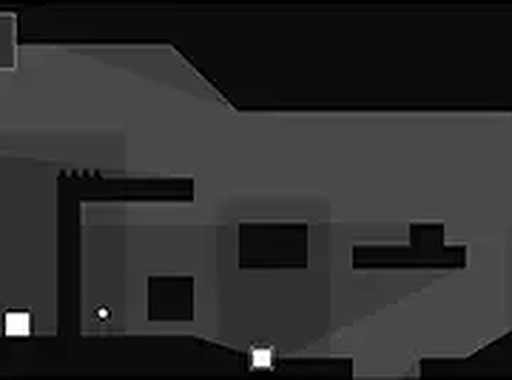
At its heart, Tonal Transition Puzzle Quest asks players to guide a small cube through environments rendered entirely in shades of gray. The primary goal involves gathering all luminous stars scattered across each stage. Success depends on understanding how the cube interacts with surfaces, ramps, and gaps. The physics engine governs every bounce, slide, and fall, meaning careful timing and precise control are essential. Unlike many puzzle games that rely solely on logic, this title introduces a physical layer where momentum and gravity play constant roles. Players must think ahead, predicting how the cube will respond to each obstacle.
Color as a Gameplay Tool
As the cube progresses through levels, it encounters special pickups that add color to its appearance. These chromatic upgrades do more than change visuals; they fundamentally alter the cube's capabilities. For instance, a blue tint might allow the cube to stick to walls, while a red hue could grant a short burst of speed. The game does not explain these effects explicitly, encouraging experimentation. Players learn by trying different colors in various situations, discovering which combinations open new routes or reveal hidden star caches. This system adds a layer of strategy beyond simple navigation.
Level Design and Progression
Each stage presents a self-contained puzzle box filled with platforms, barriers, and collectibles. Early levels introduce basic concepts like moving across flat surfaces and avoiding simple pits. Later stages layer in moving obstacles, timed gates, and multi-path layouts that require using multiple color upgrades in sequence. The difficulty curve feels natural, with each new challenge building on skills learned previously. Players who rush through may miss stars, which are often tucked away in corners accessible only by specific color abilities. Revisiting earlier levels with new upgrades can reveal previously unreachable areas, adding replay value.
Visual and Audio Atmosphere
The deliberate choice of a monochromatic world serves both aesthetic and gameplay purposes. The lack of color initially focuses attention on shapes, shadows, and movement patterns. As players collect upgrades, splashes of color appear on the cube and occasionally in the environment, creating a sense of progress. The sound design complements this minimalism with subtle tones that change pitch based on the cube's speed and surface contact. There are no distracting soundtracks or flashy effects, allowing players to concentrate on the physics puzzles. This restrained approach gives the game a clean, modern feel that suits its puzzle focus.
Browser-Based Accessibility
Designed exclusively for desktop browsers, Tonal Transition Puzzle Quest requires no downloads or installations. Players can launch it directly from a web page and begin playing within seconds. The controls rely on keyboard inputs, with simple arrow keys or WASD handling movement. This low barrier to entry makes it easy to try a few levels during a short break. The game saves progress automatically, so returning to a partially completed stage is straightforward. For puzzle enthusiasts who prefer quick sessions, this format works well. The browser environment also means the game runs on various operating systems without compatibility issues.










Comments
Sign in to leave a review
No account? Create one
No comments yet.