
Reviews
Hexagonal Tile Match takes a familiar puzzle concept and gives it a fresh coat of paint. The hexagonal tiles create new patterns that require thoughtful shot placement rather than simple matching. With 48 levels that gradually increase in complexity, the game offers a steady challenge without ever feeling overwhelming. The clean visuals and calm audio make it easy to play for extended sessions. While the core mechanic remains simple, the strategic layer of planning chain reactions and using wall bounces keeps the experience engaging. It is a solid choice for anyone looking for a relaxing yet mentally stimulating puzzle game.
About this game
Core Gameplay
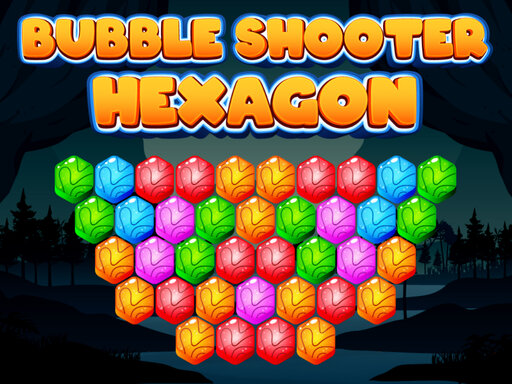
Players launch colored hexagonal tiles toward a board filled with similar tiles. The goal is to group three or more tiles of the same color, causing them to disappear. Unlike round bubbles, the hexagonal shape creates tighter connections and more complex patterns. This design forces players to consider angles and bounce shots off walls to reach difficult spots. Each level presents a unique arrangement, requiring a fresh approach rather than repeating the same strategy.
Level Progression
The game includes 48 levels, each with a distinct layout that increases in complexity. Early stages introduce basic patterns, while later ones combine multiple colors and tighter spaces. Players must think ahead to avoid filling the board, as tiles that reach the bottom line end the attempt. The difficulty curve feels natural, giving beginners time to learn while keeping experienced players engaged.
Visual and Audio Design
Bright, distinct colors help players quickly identify tile groups, reducing eye strain during longer sessions. The interface remains clean, with a simple launcher and clear indicators for the next tile. Sound effects provide gentle feedback for matches and clears without becoming distracting. The overall presentation aims for a calm, focused atmosphere rather than flashy animations.
Strategic Depth
Success depends on more than quick reflexes. Players must decide which color to match first, whether to aim for clusters or isolated tiles, and when to use wall bounces to reach hidden areas. Chain reactions that clear multiple groups at once offer a significant advantage, but setting them up requires careful sequencing. The timed element adds a gentle push to keep the action moving without causing stress.












Comments
Sign in to leave a review
No account? Create one
No comments yet.