
Reviews
Tile Match Strategy successfully modernizes a classic puzzle format. The three-line connection rule is the standout feature, forcing players to think spatially rather than just rely on memory. The two modes cater to different play styles, with the timed mode offering a brisk challenge and the relaxed mode allowing for deeper contemplation. The clean interface and cross-device compatibility make it easy to pick up and play. A solid choice for puzzle enthusiasts looking for a thoughtful pastime.
About this game
The Core Challenge
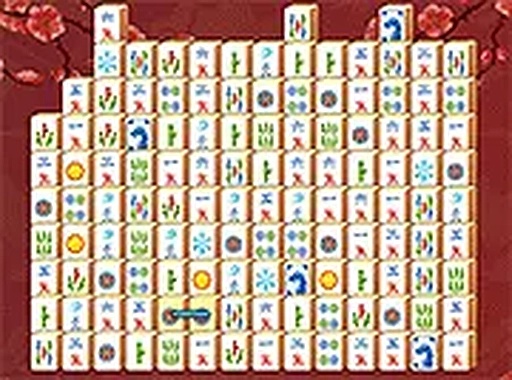
Tile Match Strategy presents players with a board of patterned tiles. The objective is to remove all tiles by selecting pairs that share the same design. However, a simple match is not enough. A valid pair must be connected by a path that uses no more than three straight segments. This path must travel only through empty spaces and cannot cross over any tiles that remain on the board. This rule transforms the game from a simple memory exercise into a test of spatial awareness and forward planning.
Two Ways to Play
Players can choose between two distinct modes. Normal mode introduces a timer, adding a sense of urgency that encourages quick decision-making. Relax mode removes the time pressure, allowing for thoughtful exploration of the board. In Relax mode, the game continues with endless levels, providing a steady stream of new puzzles. This dual-mode structure ensures the game appeals to both those seeking a quick challenge and those who prefer a more meditative experience.
Visual and Interactive Design
The interface is clean and straightforward. Tiles are clearly displayed, and selecting them is a simple tap or click. The game provides visual feedback when a connection is valid, making the rules easy to understand. A full-screen option is available for players who want to minimize distractions. The game runs smoothly in a web browser on both desktop computers and mobile devices, requiring no installation or downloads.
Developing Your Approach
Success in Tile Match Strategy comes from observation and planning. Scanning the board for pairs that can be connected with a single straight line is a good starting point. Players should also consider which tiles are blocking potential matches. Clearing central tiles often opens up new possibilities. In timed mode, prioritizing quick matches is essential. In the untimed mode, taking the time to trace possible paths can reveal more efficient solutions. Regular play helps sharpen pattern recognition skills.










Comments
Sign in to leave a review
No account? Create one
No comments yet.