
Reviews
Tile Assembly Challenge stands out for its deliberate simplicity. By stripping away timers, scores, and penalties, it creates a rare space for focused, unhurried play. The adjustable piece count genuinely accommodates different ages and attention spans, from toddlers to seniors. The automatic save feature is a practical touch for busy households. While it lacks competitive elements or narrative, its strength lies in providing a reliable, calming activity that consistently delivers a sense of accomplishment upon completing each picture.
About this game
Piece Placement Mechanics
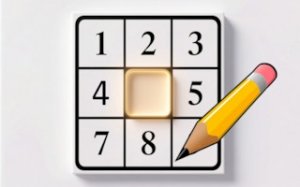
Players select an image from a curated collection and choose how many segments to work with. Each segment can be dragged freely across the screen. When a segment is moved to its correct location, it snaps into place with a satisfying lock. There is no penalty for incorrect placements, encouraging experimentation and learning through trial and error.
Adjustable Complexity
The number of segments directly influences the session length and difficulty. Using fewer segments creates a quick, straightforward assembly suitable for younger players or short breaks. Increasing the segment count introduces a more demanding challenge that requires sustained attention and strategic grouping of similar colors or patterns.
Visual Design and Theme Variety
The image library features bright, positive scenes such as landscapes, animals, and everyday objects. Each picture is composed with clear outlines and distinct color zones to aid recognition. The visual style remains consistent across all themes, ensuring that the focus stays on the assembly process rather than deciphering cluttered artwork.
Progress Tracking and Flexibility
The game automatically records the current state of any unfinished assembly. Players can exit mid-session and return later without losing their work. This feature supports interrupted play sessions common in family environments. Users can also switch between different images at any time, with progress saved independently for each.
Skill Development Through Play
Regular engagement with this type of puzzle strengthens pattern recognition and logical deduction. The act of sorting segments by edge type or color grouping trains the brain to categorize information efficiently. These cognitive benefits are delivered in a low-pressure setting that prioritizes enjoyment over performance metrics.












Comments
Sign in to leave a review
No account? Create one
No comments yet.